September 3, 2026
Finding the right fabrication partner for a custom metal project requires careful evaluation. Whether a project involves intricate aerospace components, structural architectural gates, or heavy industrial machinery, precise metal fabrication is essential for structural integrity and proper assembly. Choosing a provider that offers high-quality laser cutting services can mean the difference between seamless assembly and severe manufacturing delays. With numerous options available across the modern industrial landscape, asking targeted questions before committing to a commercial contract helps ensure that your unique production requirements are met with precision and accuracy.
Modern metal fabrication relies heavily on advanced technological capabilities to deliver clean edges, exact geometric cuts, and tight manufacturing tolerances. When evaluating potential fabrication vendors, understanding their equipment, operational workflow, material experience, and quality protocols is critical. By taking time to thoroughly vet candidates through strategic inquiries, project managers and lead engineers can establish a reliable supply chain relationship that supports long-term success. Evaluating key capabilities upfront eliminates miscommunication, prevents unnecessary material scrap, and guarantees that your completed metal parts meet exact design specifications every single time.
1. What Types of Equipment Do You Utilize?
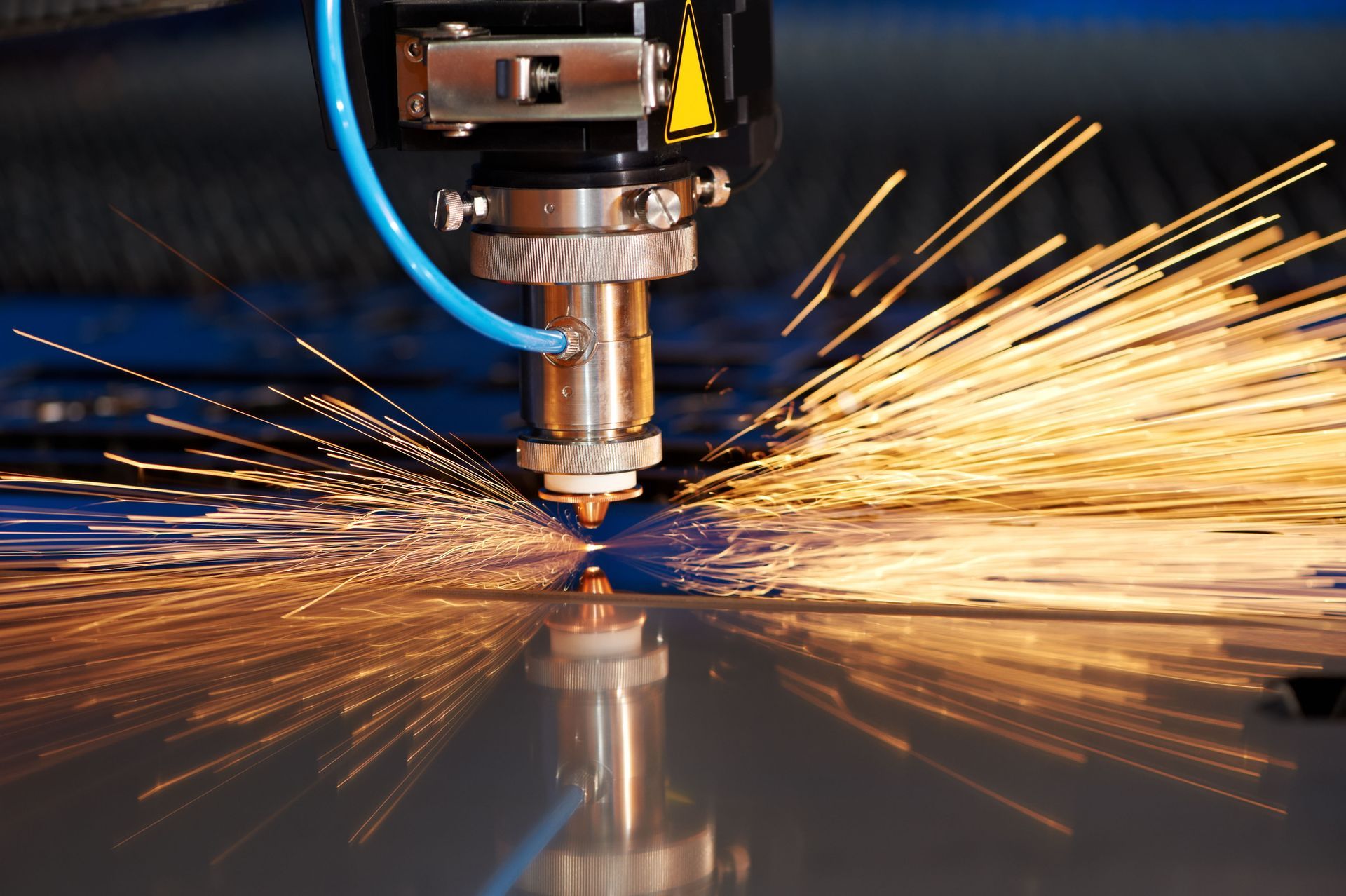
The machinery used by a vendor directly impacts the clarity, processing speed, and overall accuracy of the final cut product. Advanced CNC fiber lasers offer superior processing speeds and exceptional edge cleanliness compared to older CO2 systems, especially when processing thin to medium gauge metals. According to Tykma Electrox, industrial laser cutting technology originally debuted back in 1967. Technology has advanced dramatically since those early industrial applications, making modern machinery faster, more accurate, and far more versatile for complex custom projects.
Understanding whether a vendor uses up-to-date machinery helps you gauge their technical capability to handle intricate geometries and heavy metal alloys. High-powered equipment reduces burrs and minimizes heat-affected zones, which preserves raw material integrity and eliminates the need for extensive secondary grinding work. Asking about machinery age, laser power capacity, and routine maintenance schedules ensures that the facility can fulfill your design specifications consistently without frequent machine downtime interrupting your production schedule. When searching for reliable laser cutting services, assessing facility machinery is an essential first step.
2. What Specific Materials Do You Process?
Different metals react uniquely to high-heat thermal processing. Stainless steel, carbon steel, aluminum, copper, brass, and specialized alloys each require specific gas assists and focal parameters to achieve optimal cutting results. A shop that routinely works with a wide range of metals will possess the deep operational knowledge required to prevent oxidation, edge burning, or surface warping during processing. This expertise keeps your finished components clean, flat, and dimensionally uniform.
Inquire about the maximum thickness and sheet dimensions the facility can process for each specific material type. A shop with flexible material capabilities allows you to consolidate your manufacturing needs under a single roof, simplifying project management and logistics. Confirming that the vendor regularly handles your required metal grade ensures they maintain the proper gas mixes, focal lenses, and laser power settings necessary to deliver pristine edges across every single sheet processed in their facility.
3. What Exact Tolerances Do You Maintain?
Precision is paramount when metal components must fit seamlessly into larger mechanical assemblies. Professional providers of laser cutting services must maintain consistent dimensional accuracy across both small prototype batches and large volume production runs. Inquiring about standard tolerance limits gives you clear visibility into whether the vendor can meet your engineering schematics without requiring secondary machining adjustments or manual corrections.
Request specific variance measurements for hole diameters, edge distance dimensions, and sheet repeatability across multiple runs. Vendors equipped with modern automated positioning systems can achieve tight tolerances that minimize variance from piece to piece. Knowing these operational limits upfront prevents fitment issues during downstream assembly, structural welding, or finishing processes, saving valuable production time and keeping critical project schedules moving forward smoothly without unexpected setbacks.
4. What Quality Control Standards Do You Follow?
A dependable fabrication shop prioritizes strict quality control measures throughout every stage of production. From initial raw material inspection upon arrival to final packaging before shipment, established quality assurance protocols prevent non-conforming parts from reaching your job site. Inquire about vendor quality management frameworks, inspection tools, and verification procedures to ensure consistent output quality on every order of laser cutting services.
Ask whether qualified technicians perform regular first-article inspections, automated optical checks, or manual caliper verifications during active production runs. Understanding how a vendor handles dimensional verification ensures that every production batch meets your exact digital schematics. A dedicated quality assurance department demonstrates a strong commitment to manufacturing excellence, procedural consistency, and component repeatability for complex custom orders across diverse industrial applications.
5. What Production Lead Times Do You Guarantee?
On-time delivery is crucial for maintaining efficient supply chain operations and meeting critical project milestones. Delays in raw part delivery can stall downstream assembly lines, leading to broad operational disruptions and management challenges. When evaluating professional laser cutting services, request clear timeline expectations for initial prototyping, production setup, metal cutting, and post-processing steps.
Ask how the facility manages unexpected machine maintenance, raw material supply shortages, or sudden surges in order volume. Facilities equipped with multiple high-speed cutting machines and streamlined job queuing systems can offer greater schedule flexibility and faster turnaround times. Establishing clear delivery expectations early ensures your project stays on schedule from initial digital file upload to final physical product delivery at your facility.
6. What Custom Design Assistance Do You Offer?
Optimizing part designs for manufacturability reduces material waste and improves overall part performance. Skilled design engineers can review your digital CAD files to identify potential issues, such as nested cuts that are placed too closely together or internal cutouts that might distort under thermal stress. Utilizing expert design guidance before thermal processing begins leads to superior production outcomes and enhanced structural integrity.
Inquire whether the laser cutting services offer design refinement assistance to optimize part geometry for high-speed automated processing. Proper nesting software maximizes total sheet yield, reducing raw material scrap and improving overall operational efficiency. Partnering with a facility that offers specialized technical advice alongside cutting capabilities helps streamline manufacturing while preserving precise mechanical tolerances across all components in your project.
7. What Secondary Finishing Services Do You Provide?
Metal cutting is often just one step in a multi-stage manufacturing workflow. Parts may require deburring, countersinking, bending, forming, welding, or protective surface coating after initial fabrication work is complete. Choosing a facility that offers comprehensive secondary processing streamlines your supply chain by reducing the need to ship parts between multiple outside vendors.
Ask potential manufacturing partners about their in-house capabilities for tube processing, sheet metal forming, and structural fabrication. Working with a full-service provider that combines cutting capabilities with secondary finishing ensures cohesive quality control across every phase of component creation. This turn-key approach simplifies communication, reduces shipping logistics, and optimizes total production turnaround times for complex multi-part projects.
Selecting the right fabrication partner requires analyzing technological capabilities, material expertise, quality protocols, and turn-key processing options. By asking targeted questions regarding equipment capabilities, quality control checks, turnaround times, and design optimization, you can identify a vendor capable of executing your vision with exact precision. Thorough vetting ensures smooth production, minimal material waste, and durable finished components that meet strict industry standards for every project.
If you are ready for precision manufacturing that elevates your project quality, contact us at Alpha Precision Laser Cutting today. We will help you achieve flawless custom components with reliable laser cutting services, fast turnarounds, and exceptional edge clarity.