March 6, 2026
The custom metalworking industry is one of the most dynamic sectors in manufacturing, fueled by the demand for unique, tailor-made metal products. Fabrication plays a crucial role in this field by providing the technologies and processes needed to manipulate metal into desired forms and functions. The precision and artistry involved not only meet the aesthetic and structural requirements of various projects but also ensure cost efficiency and sustainable production. As the industry continues to evolve, alloy metal fabrication advances make it possible to produce increasingly intricate designs that meet the needs of businesses and consumers alike.
Understand Metal Fabrication
Alloy metal fabrication involves creating metal structures through cutting, bending, and assembling processes that transform raw materials into functional parts used across diverse industries. Its scope extends beyond mere creation to encompass design, implementation, and application, making it indispensable to modern manufacturing. Fabrication is essential for producing components with precision and specific structural properties, enhancing their functionality and durability. With a rich integration of technology and craftsmanship, it continues to redefine what is possible in custom projects.
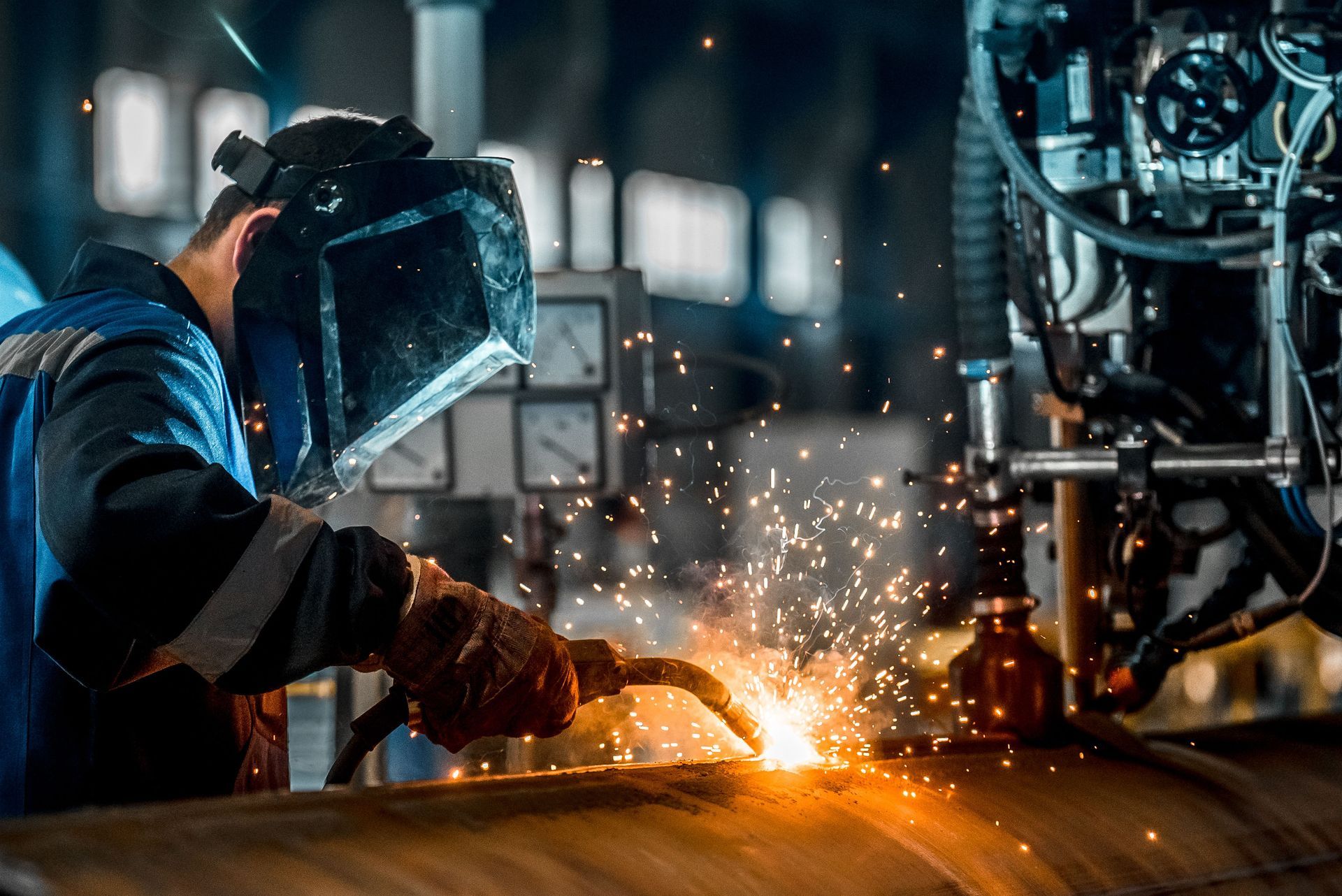
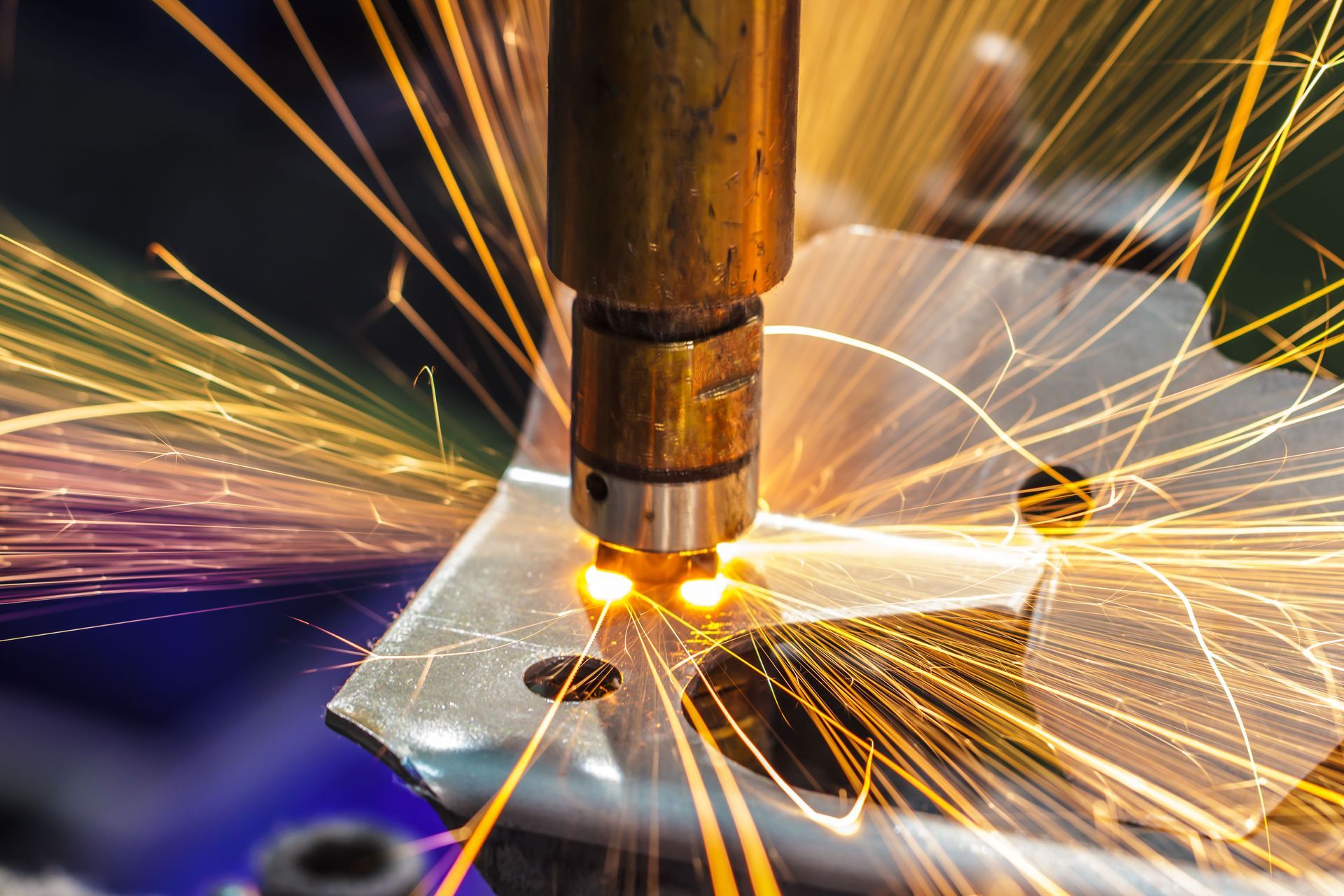
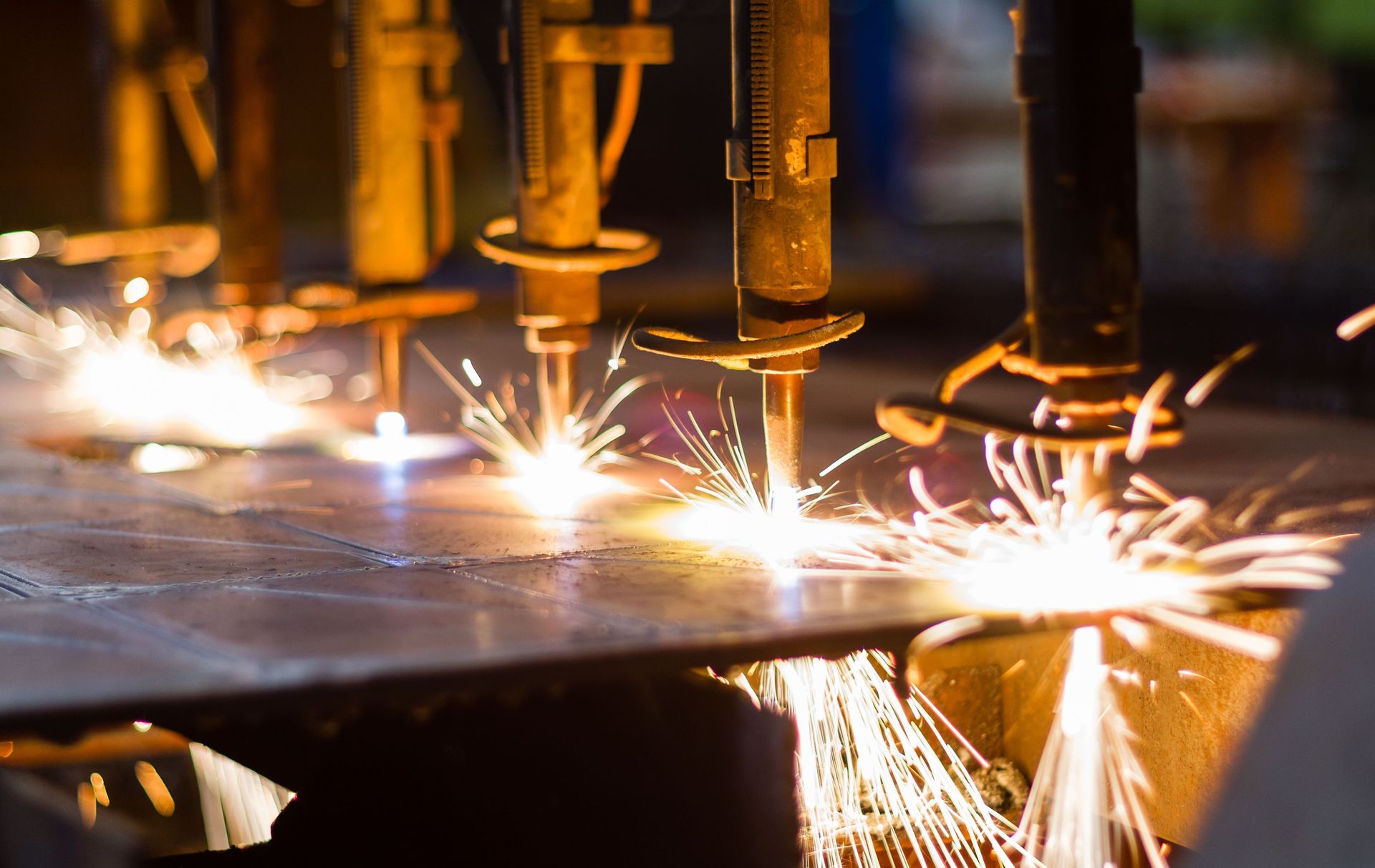
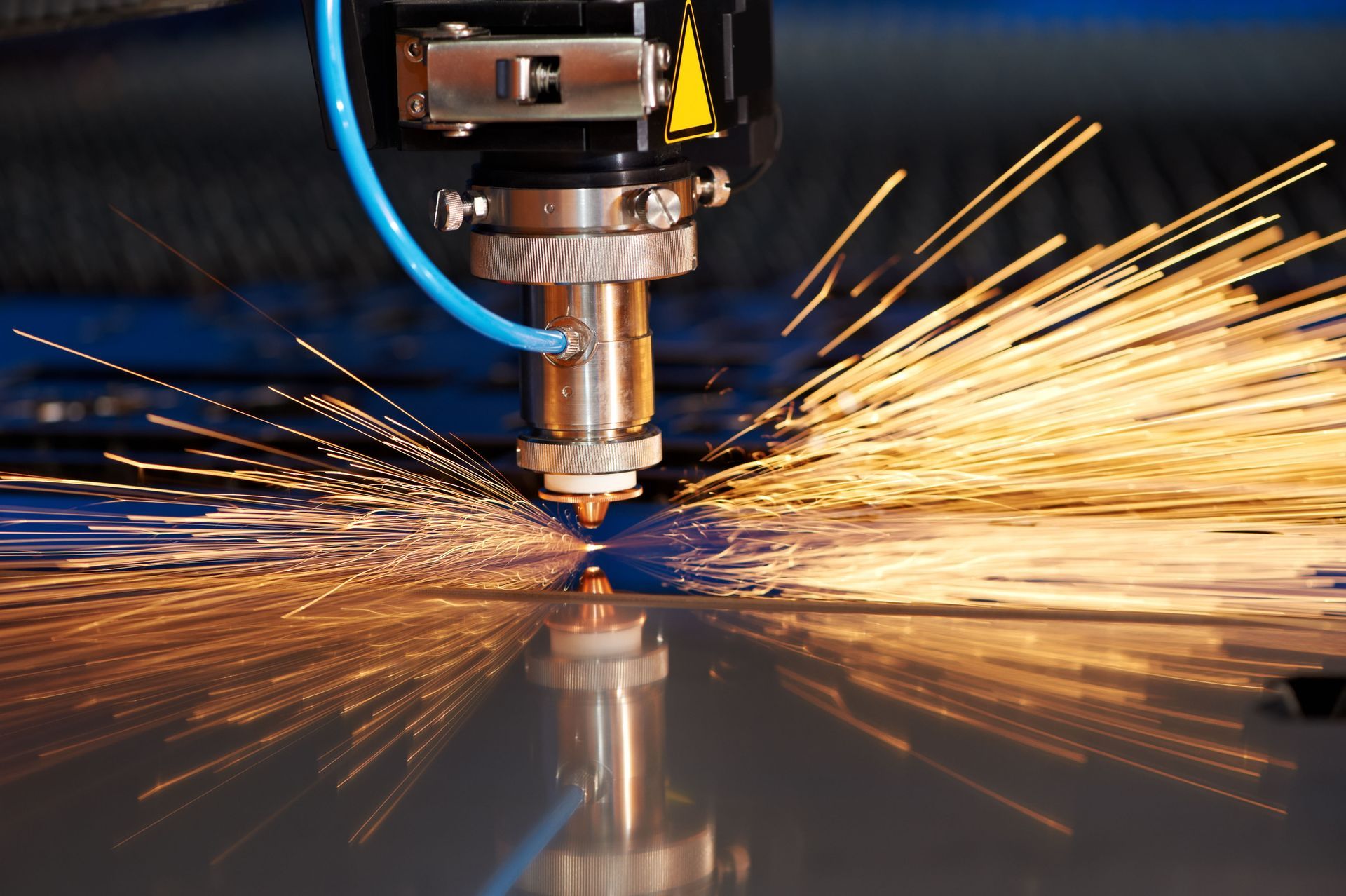
A wide range of processes are involved in fabrication, including cutting, welding, machining, forming, and cutting slices of metal into desired shapes, often using laser, plasma, or waterjet techniques for accuracy. Welding joins these pieces together to ensure structural integrity and strength, while machining removes material to achieve a precise finish. Forming then reshapes metal pieces to achieve various geometries that accommodate custom project specifications. Technology plays a transformative role throughout these processes, with tools such as Computer Numerical Control (CNC) machines enabling precise operations that reduce waste. The integration of 3D modeling and digital simulation also allows designers to visualize and test concepts before production begins, streamlining workflows and ensuring high-quality results.
Achieve Design Flexibility and Customization
One of the most significant advantages of alloy metal fabrication is its ability to provide tailored solutions for unique project requirements. Custom fabrication allows businesses to design and create components that conform precisely to their functional and aesthetic needs, whether for architectural structures, industrial machinery, or consumer products. This flexibility ensures that designs are never compromised by standard limitations, enabling projects to stand out with innovative solutions. The customization process also allows for the incorporation of specific features that enhance the utility of products according to client specifications.
Computer-Aided Design (CAD) has revolutionized the industry by streamlining the design process for efficiency and precision. CAD software allows designers to create highly detailed blueprints and visualize projects in three dimensions, reducing the risk of errors during fabrication. Additionally, fabrication supports the integration of artistic elements through techniques such as engraving, etching, and sculpting, which enable the creation of aesthetically pleasing designs that complement structural purposes. Achieving a balance between functionality and aesthetics is fundamental to custom metal projects, and skilled fabricators bring together material expertise and design principles to ensure that every product meets both technical and visual expectations.
Maximize Efficiency and Precision
Precision cutting techniques are critical for achieving the exact dimensions required in custom metal projects. Methods such as laser cutting, waterjet cutting, and plasma cutting ensure high accuracy and clean edges while minimizing waste and reducing errors. These technologies also enable intricate cuts that allow for more complex designs and detailed patterns, making them integral to producing high-quality components that adhere to strict tolerance levels. Advanced welding methods, including MIG, TIG, and robotic welding, further enhance efficiency and consistency by ensuring strong, durable bonds essential for structural integrity.
Automation and robotics are increasingly central to alloy metal fabrication, streamlining repetitive tasks and ensuring consistent quality while freeing skilled labor for more complex work. Robotic welding, in particular, offers unparalleled precision and speed, reducing human error and increasing production capacity. Alongside automation, quality control measures such as rigorous inspection procedures and non-destructive testing evaluate dimensions, material integrity, and surface finish at every stage. Effective time management and project scheduling tools further ensure that custom projects are delivered within stipulated deadlines, meeting client expectations and enhancing overall operational efficiency.
Evaluate the Cost-Effectiveness of Fabrication
Economies of scale play a significant role in reducing costs and enhancing the profitability of alloy metal fabrication projects. By producing in larger volumes, fabricators can spread fixed costs over more units, reducing per-unit production costs and allowing businesses to offer competitive pricing without compromising quality. According to PS Market Research, in 2024, the metal fabrication industry reached a market size of $22.4 billion, reflecting the enormous economic scale and significance of the sector. Leveraging this scale not only enhances cost-effectiveness but also strengthens the capabilities of fabricators to take on larger, more complex projects.
Accurate planning is equally crucial in minimizing waste and contributing to the overall cost-effectiveness of fabrication. Precision techniques and tools like CAD optimize material usage, reducing scrap and promoting sustainable practices. The choice of materials also has a direct impact on cost and feasibility — while stainless steel may carry a higher upfront price, its durability and corrosion resistance make it cost-effective over time, whereas aluminum offers savings through its lower weight and reduced processing demands. Investing in quality materials and expert craftsmanship ultimately produces durable components that reduce the frequency of replacements, extend operational lifespans, and deliver sustained value for clients.
Adopt Environmental and Sustainable Practices
Recycling and reuse of materials are integral to promoting sustainability within the fabrication sector. The industry minimizes waste by recycling scrap metal, significantly reducing the demand for virgin materials and supporting circular economy principles. Sustainable sourcing further ensures that fabrication projects have minimal environmental impact, with fabricators selecting suppliers who adhere to responsible practices and choosing materials with lower environmental footprints, such as recycled metals or sustainably mined ores.
Energy-efficient fabrication techniques are also increasingly adopted to reduce the environmental impact of production. Utilizing energy-saving machinery and automation technologies lowers power consumption and production costs, while precision cutting and advanced welding methods achieve higher efficiency without sacrificing quality. By optimizing production processes, investing in renewable energy sources, and minimizing emissions, fabricators actively work to reduce their carbon footprint and demonstrate leadership in environmentally responsible manufacturing.
Explore Applications of Fabricated Metal Projects
Alloy metal fabrication plays a pivotal role across a broad range of applications, from architecture and construction to automotive, industrial, and consumer markets. In architectural projects, customized metal components are instrumental in the design of bridges, skyscrapers, and facades, providing essential structural support while offering significant aesthetic appeal. The automotive and transport industries rely on fabrication to produce lightweight, durable parts such as chassis, engine components, and body panels that improve vehicle performance, fuel efficiency, and safety. Industrial machinery also depends heavily on fabricated metal components, including gears, support structures, and enclosures, that meet specific operational requirements and ensure reliable performance across different sectors.
Beyond industrial applications, fabrication extends into consumer products, furniture, and artistic metalwork. Fabricated products range from kitchen appliances to home and office furniture, designed to meet user preferences while combining functionality with style. Artistic and sculptural metalwork showcases the creative potential of fabrication, with sculptors and designers leveraging techniques to produce intricate works in steel, bronze, and aluminum that enhance both public and private spaces. This versatility across functional and artistic domains underscores the remarkable adaptability of fabrication in meeting diverse needs.
Alloy metal fabrication serves as a cornerstone in the success of custom metal projects across varied industries, thanks to its inherent flexibility, precision, and cost-effectiveness. It enables the creation of innovative and tailored solutions that balance form and function while accommodating diverse design requirements. An emphasis on sustainability reflects the industry's commitment to ethical practices and ecological stewardship, ensuring that fabrication continues to evolve responsibly.
As technology and techniques continue to advance, alloy metal fabrication will remain integral in shaping efficient, sustainable, and visually compelling solutions for both contemporary and future projects. If your project demands structural precision, artistic creativity, or industrial durability, contact us at Alpha Precision Laser Cuttingtoday. We will bring your vision to life together!