May 6, 2026
In recent years, laser cutting has become an integral part of manufacturing and fabrication processes. Its ability to deliver high-precision results makes it a preferred method for various projects. This article delves into why laser cutting is favored for high-precision tasks and explores common inquiries about its capabilities and benefits, particularly from the perspective of local laser cutting services. The precision offered by laser cutting is unparalleled compared to other methods, making it indispensable in industries requiring exact specifications. Therefore, understanding the reasons behind its rise in popularity and the contexts in which it thrives can inspire more informed decision-making.
How Does Laser Cutting Achieve High Precision?
Overview of Laser Cutting Technology
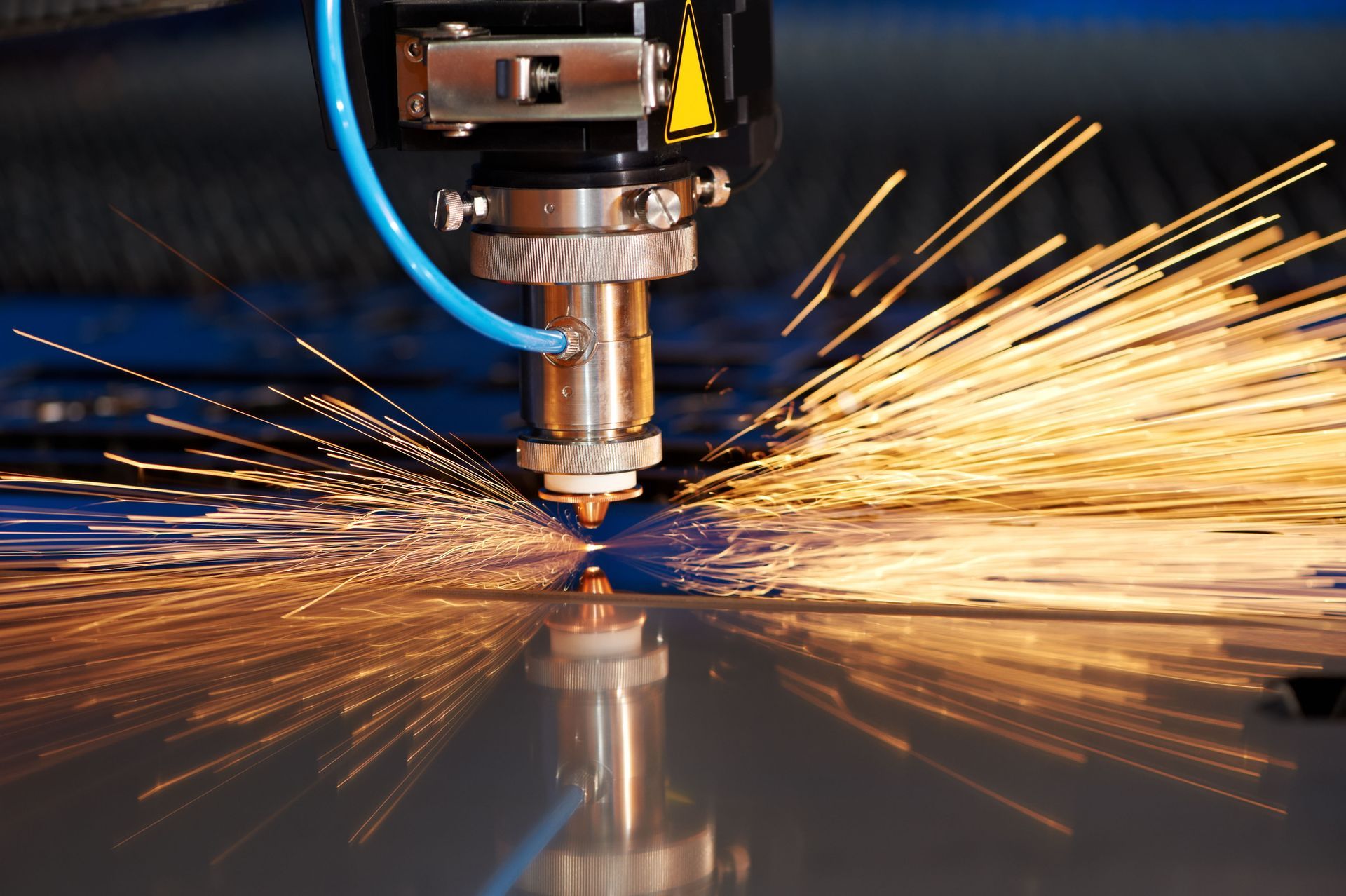
Laser cutting technology harnesses the power of light to make precise cuts. A high-energy laser beam is focused onto the material, vaporizing it and creating intricate shapes. This process is orchestrated with utmost precision, ensuring even the most delicate designs can be executed without imperfections. The catalytic role of computer control systems cannot be overstated in enhancing the precision of this cutting method, making it both efficient and versatile.
The core mechanism of laser cutting involves a complex interplay between laser optics, computer numerical control (CNC), and material interactions. By directing the beam to follow a pre-determined path, manufacturers can achieve cuts with remarkable precision, as minimal thermal damage is caused to surrounding areas. The ever-evolving advancements in laser technology promise continued improvements in accuracy. As the field progresses, it will inevitably usher in novel applications across disparate industries, thereby solidifying its place as a cornerstone of modern manufacturing.
Between 2023 and 2030, the market for laser cutting machines is set to grow by over five percent annually, according to Grand View Research. This growth is driven by increased demand for high-precision manufacturing solutions, enabling companies to produce complex components with ease. As businesses continue to strive for enhanced efficiency and precision, laser cutting's role in meeting these needs becomes increasingly vital. It is not just a cutting-edge technology; it is a crucial enabler of the next generation of production lines across global industries.
Factors Contributing to Precision
The ability of laser cutting to achieve high precision is attributed to factors like narrow beam width and sophisticated control systems. Laser beams, being incredibly focused, allow for an exceptionally fine cutting line capable of rendering intricate detailing. Additionally, modern control systems, often using advanced software, ensure precision is maintained throughout the cutting procedure. Material selection also plays a pivotal role, as different materials necessitate optimized laser settings for maximal precision.
These factors combine to enhance the quality of work that can be produced, minimizing errors and reducing material wastage. The controlled environment minimizes warping, a common issue in traditional cutting methods, ensuring finished products meet stringent quality standards. Furthermore, innovations in feedback loops within these systems further refine the precision of laser cutting operations. Overall, these technological achievements reinforce laser cutting as an elite method in the landscape of advanced manufacturing.
Why Choose Local Laser Cutting Services?
Advantages of Proximity
Choosing local laser cutting services brings numerous advantages, with proximity leading to better logistics and communication. Convenience in transportation reduces the time and cost associated with delivering raw materials and finished products. Face-to-face meetings foster clearer communication and facilitate rapid decision-making, optimizing project timelines and outcomes. Utilizing nearby services also aligns with businesses’ needs for agility in today's fast-paced markets.
Furthermore, local laser cutting services enable dynamic, real-time collaboration between service providers and clients. This mutual proximity becomes pivotal in quickly addressing any arising issues, making adjustments swift and efficient. The burgeoning demand for laser cutting is catered by regional providers, who offer tailored solutions with insights about local market needs. Thus, the synergy between accessibility and service quality brings both logistical and strategic benefits.
Quality Assurance and Customization
Local laser cutting services often excel in providing quality assurance and customization options to meet specific client needs. Being able to offer tailored solutions ensures that the unique requirements of customers are thoroughly satisfied. Personalized consultations allow service providers to adapt their technological capabilities accordingly, delivering superior results. The close connection with clients also encourages feedback, fostering continuous improvement and service optimization.
Moreover, local providers often have a nuanced understanding of industry-specific regulations and standards. This knowledge facilitates compliance, ensuring that all outputs adhere to legal and quality norms without exception. The meticulous attention to client specifications fortifies the reputation of local services as reliable and quality-oriented. As a result, clients experience heightened satisfaction and confidence when engaging with local providers who prioritize excellence.
Customization capabilities of local services extend beyond simple adjustments to entire project designs. Whether it's adjusting beam settings for intricate cuts or personalizing product details, flexibility remains a signature strength of local providers. As businesses increasingly embrace bespoke solutions, partnerships with localized services grow ever more vital. This focus on quality and tailored service creates a competitive edge and cultivates long-term relationships with clients.
What Materials Can Be Used in Laser Cutting?
Commonly Used Materials
Laser cutting technology is versatile enough to cut a wide range of materials, including metals, plastics, and even wood. Each material presents unique advantages that broaden the scope of applications possible with laser cutting. For instance, metals such as steel, aluminum, and copper are frequently used due to their strength and conductivity. Plastics and organics, like acrylics and woods, are also popular choices for laser cutting because of their aesthetic qualities and pliability.
These materials allow industries to realize complex designs with high precision, addressing diverse needs across various sectors. For metals, laser cutting is ideal for achieving clean, precise edges necessary in roles such as automotive and aerospace manufacturing. Non-metals, on the other hand, cater to the fields of architecture and decorative arts, illustrating the versatility of laser cutting. Ultimately, the ability to work with various materials makes laser cutting an indispensable tool for numerous industrial and creative projects.
The adaptability of laser cutting is further emphasized by its efficiency in utilizing materials, reducing waste. Many sectors capitalize on this advantage, opting for laser technology to meet sustainable manufacturing goals. The capacity to harmonize precision with material efficiency strengthens laser cutting’s appeal across the global production landscape. As material technology advances, laser cutting continues to evolve, accommodating new materials and expanding its operational potential.
Material-Specific Challenges
While laser cutting offers many advantages, each material presents its own set of challenges that must be addressed for optimal results. Metals, particularly reflective ones like copper and brass, require careful management to avoid beam reflection that can damage equipment. Likewise, when cutting plastics, considerations must be made to avoid melting or burning, which can compromise the clarity of the finished product. Each material demands specific calibrations and strategies to ensure the successful execution of cuts.
Another challenge lies in managing the emitted fumes and particulates during the laser cutting process, particularly when working with non-metals. Adequate ventilation systems and safety measures are essential to ensure operator safety and maintain environmental standards. The quest for perfection in cutting quality continually drives innovation in addressing these challenges. Tailored solutions enable laser cutting facilities to mitigate these issues effectively, optimizing material handling and overall results.
Such challenges highlight the importance of experienced laser cutting service providers who possess the technical expertise and equipment to navigate these complexities. By understanding the material-specific intricacies, providers can ensure cutting precision without sacrificing quality. This expertise is vital for clients seeking reliable outcomes across their diverse material needs. Thus, successfully meeting these challenges further underscores the inherent value and strategic advantage laser cutting services offer to various industries.
Laser cutting has proven to be an essential tool for high-precision projects across various industries. Its accuracy, versatility, and economic benefits, especially when coupled with the advantages of local services, make it exciting for those seeking enhanced cutting solutions. By understanding the intricacies of laser technology, businesses and individuals can make informed decisions about utilizing local laser cutting services for their precision needs. With the industry's expected growth, driven by a demand for precision and efficiency, laser cutting stands as a pivotal mechanism in modern manufacturing. As technology progresses, its importance will likely burgeon, influencing new heights of innovation and excellence in production. Reach out to Alpha Precision Laser Cutting today to see how we can help you!